Buy Property in Florida — Complete Guide to Homes, Condos & Investment
February 18, 2026 · 8 min read
Florida's climate, absence of a state personal income tax, and range of property types draw buyers from across the United States and abroad. This guide covers the steps involved in acquiring property in Florida — from search to closing — and the ownership considerations specific to the state.
Quick Answer
Guide to buying a home in Florida: property types, ownership costs, the purchase process, and what out-of-state and international buyers should verify before closing.
This guide sits inside our buyer advisory practice. Start with Miami luxury buyer representation for the full acquisition process, or review our luxury home selling strategy if you also plan to sell a current residence.
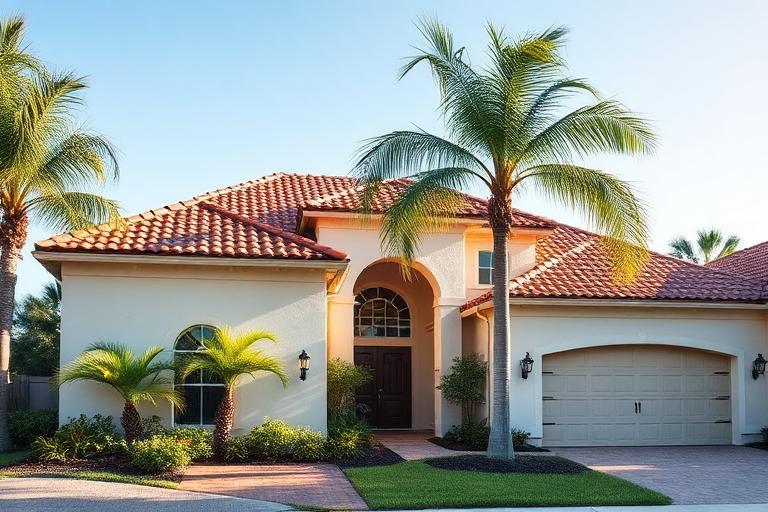
Why Buy Property in Florida — Considerations
Buyers consider Florida for climate, lifestyle, proximity to family, employment, and the absence of a state personal income tax. How the tax environment affects an individual depends on their circumstances and should be reviewed with a tax professional. Florida also has state-specific ownership considerations—wind and flood insurance, hurricane preparedness, condominium association regulation, and property tax reassessment after purchase—that should be part of any decision. Javier G. Ramirez, a licensed Florida Real Estate Broker, provides buyer representation for residential purchases in Miami-Dade County.
Property in Florida ranges from condominiums and suburban homes to waterfront estates, agricultural parcels, and commercial buildings. Real estate licensees are regulated by the Florida Department of Business and Professional Regulation; verify a licensee's status before engaging them.
Historical price data does not predict future appreciation, and market conditions differ by region, municipality, property type, and time period. Whether you are buying a primary residence, second home, or income property, base the decision on the specific property, current comparable sales, and total ownership costs.
Florida Homes for Sale — Property Types
Florida housing includes starter homes in inland communities, suburban single-family neighborhoods, urban condominiums, and oceanfront estates in Palm Beach and Miami Beach. Prices vary widely by location, property type, size, and condition; review current listings and comparable sales for the specific area.
Condominiums range from high-rise towers to garden-style buildings and converted lofts. In Miami-Dade County, communities such as Coral Gables, Pinecrest, and Key Biscayne are primarily single-family markets; families should verify school assignments for any specific address through Miami-Dade County Public Schools and review community information through official local sources.
Buyers exploring the full range of property should also consider vacant land, agricultural parcels, and mixed-use buildings, each with its own zoning, permitting, and financing considerations. Florida's homestead exemption may reduce property taxes for qualifying primary residents; confirm eligibility and filing requirements with the county property appraiser.
Luxury Homes for Sale in Florida — Estates, Mansions and Waterfront
Florida's luxury housing includes Mediterranean Revival estates in Coral Gables, contemporary waterfront homes in Miami Beach, and oceanfront properties elsewhere on both coasts. Features may include private docks, pools, home theaters, and staff quarters, each of which carries maintenance, insurance, and permitting considerations.
In Miami-Dade County, neighborhoods such as Star Island, Indian Creek, Fisher Island, and Gables Estates include some of the region's largest waterfront residences. Outside Miami, established luxury communities include Naples, Palm Beach, Jupiter Island, and Sarasota. Prices in these segments depend on the specific parcel, waterfront position, structure, and condition; review recent comparable sales rather than headline figures.
Luxury purchases typically involve additional due diligence: seawall and dock inspections, flood and wind insurance availability, permit history, title and survey review, and, for condominiums, association reserves and assessments. Engage qualified inspectors, insurers, and counsel early.

Buying in Miami — Houses, Condos and Investment Properties
Miami buyers choose among condominiums in Brickell, Downtown, Edgewater, and Miami Beach; single-family homes in neighborhoods such as Coral Gables, Coconut Grove, Pinecrest, and Kendall; and townhomes in several areas. Condominium ownership involves association fees, rules, reserves, and assessments; single-family ownership involves lot, structure, insurance, and permit considerations.
Buyers considering a property for rental use should verify municipal ordinances and association rules on leasing, obtain insurance and tax estimates, and model income and expenses with a qualified adviser before purchasing. This guide does not predict rental demand or appreciation for any neighborhood.
Miami's market includes many distinct submarkets. The right neighborhood depends on commute, property type, budget, intended use, and personal priorities; our Miami neighborhoods guide describes how they differ, and community pages provide neighborhood-level context.
Miami Properties, Pricing and Market Information
Miami property spans a wide range of prices and types. Rather than relying on general ranges or expectations of future growth, review current listings, recent comparable sales, and inventory data for the specific neighborhood and property type. The Miami real estate market framework explains how to read dated indicators and their limitations.
Prices differ substantially among neighborhoods and within them by block, building, and condition. Seasonal patterns in listing and buyer activity exist but vary by year and segment; use current data rather than assumptions about timing.
Listings are most comprehensively accessed through the MLS with a licensed real estate professional. Use search Miami listings to review current inventory, and work with a buyer's representative to compare properties and coordinate showings.
Step-by-Step Guide to Buy Home in Florida
The process generally follows a structured path: obtain financing pre-approval or document funds, engage a licensed buyer's representative, define search criteria, tour properties, submit an offer, complete inspections and document review, secure insurance, and close. Florida-specific steps can include wind mitigation inspections, flood zone determinations, documentary stamp tax on deeds and mortgages as described by the Florida Department of Revenue, and homestead exemption applications through the county property appraiser.
International buyers may also need a U.S. bank account, an Individual Taxpayer Identification Number, an understanding of FIRPTA withholding, and counsel experienced in cross-border transactions. Our buy property Miami page outlines the purchase process, and the Miami condo buying guide covers condominium-specific review.
- Florida has no state personal income tax; review your individual situation with a tax professional
- Property types range from condominiums and suburban homes to waterfront estates and land
- Rental use is governed by municipal ordinances and association rules that must be verified in writing
- Luxury purchases require additional inspections, insurance, and title due diligence
- Homestead exemption may reduce property taxes for qualifying primary residents; confirm eligibility with the county property appraiser
- International buyers should review financing, FIRPTA, and structuring with qualified advisers
- Work with licensed Florida professionals for MLS access and transaction coordination
- Budget for insurance, taxes, association fees, and closing costs specific to the property
Frequently Asked Questions
How do I buy home in florida as an out-of-state buyer?
Start by obtaining financing pre-approval or documenting proof of funds, then engage a licensed Florida real estate professional who can arrange showings, coordinate inspections, and manage the transaction while you are away. Out-of-state purchases follow the same legal process as local purchases. Some documents may require in-person or remote online notarization, and closing logistics should be confirmed with the title company or attorney early in the process.
What types of property for sale in florida are available?
Florida property includes single-family homes, condominiums, townhomes, multifamily buildings, vacant land, agricultural parcels, and commercial property. Prices vary widely by region, municipality, property type, and condition; review current listings and comparable sales for the specific area rather than statewide generalizations.
Is florida a good state to buy investment property?
This guide does not make investment recommendations. Florida has no state personal income tax, but the effect on an individual investor depends on their circumstances. Whether a specific property suits an investor depends on its purchase price, realistic income, operating expenses, insurance, taxes, association and municipal rental rules, and financing. Historical data does not predict appreciation or returns; consult qualified financial, tax, and legal advisers.
What are the closing costs when you buy home in florida?
Buyer closing costs depend on the purchase price, financing, county, and the terms negotiated in the contract. Typical items include title insurance, lender fees, appraisal, survey, recording fees, and prepaid insurance and taxes. Florida imposes documentary stamp tax on certain documents, including deeds and mortgages, as described by the Florida Department of Revenue. Ask the closing agent for an itemized estimate for your specific transaction.
Can international buyers buy property in miami and Florida?
Foreign nationals may purchase residential and commercial property in Florida, subject to applicable federal and state law. Considerations include financing options for non-residents, FIRPTA withholding on a future sale, property tax obligations, entity structuring, and estate planning. Review these with qualified U.S. legal and tax advisers before purchasing.