Miami Real Estate Investment Property Guide — Buyer Considerations
February 18, 2026 · 9 min read
Whether you are purchasing a first rental property or adding to a commercial portfolio, this guide explains the property types, metrics, financing structures, and regulatory checks involved in evaluating an income-producing purchase in Miami-Dade County.
Quick Answer
Guide to evaluating investment properties and commercial real estate in Miami: property types, financial metrics, financing, regulations, and the due diligence a buyer should complete.
This guide sits inside our buyer advisory practice. Start with Miami luxury buyer representation for the full acquisition process, or review our luxury home selling strategy if you also plan to sell a current residence.
How to Think About Investment Property in Miami
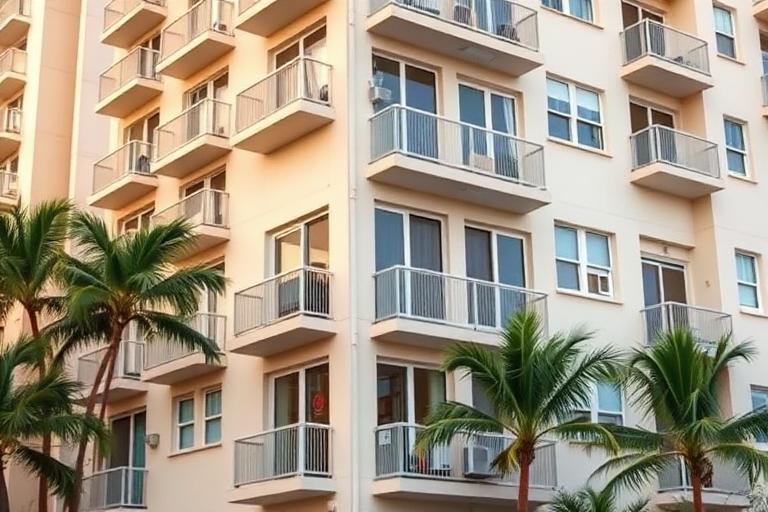
Miami-Dade County includes many distinct submarkets and property types: single-family rentals in suburban areas, condominiums in Miami Beach and Brickell, small multifamily buildings in older neighborhoods, and commercial property in corridors such as Wynwood. Florida has no state personal income tax, but the effect on any individual investor depends on their circumstances and should be reviewed with a tax professional. This guide does not predict rental demand, appreciation, or returns; it describes what to verify for a specific property.
Use the Miami real estate market framework to review dated indicators by neighborhood and property type before narrowing a search.
What Does an Investment-Focused Buyer's Representative Do?
A buyer's representative experienced with income-producing property helps you assemble the documents needed for analysis: current leases and rent rolls, operating statements, association budgets and reserve studies, insurance quotes, tax records, permit history, and comparable sales and rentals. They coordinate with your lender, inspector, attorney, property manager, and tax adviser. Financial projections and tax planning remain the responsibility of you and your qualified advisers.
Learn more about how to evaluate representation on our Miami real estate agents page.
Types of Investment Properties Available in Miami
Each property category has a different risk, cost, and regulatory profile. Understanding these differences helps you align your goals with the right property type.
Single-Family Rental Homes
Single-family homes in areas such as Pinecrest, South Miami, and Kendall are typically leased to long-term tenants. Review the property's condition, roof and system age, insurance availability, flood zone, and any homeowners' association rules on leasing.
Condo Investments and Short-Term Rentals
Condominium leasing is governed by each association's declaration and rules as well as municipal ordinances, which differ by city and change over time. Confirm minimum lease terms, rental frequency limits, approval processes, special assessments, and reserve status before purchasing. A Miami luxury real estate review of specific buildings can help you gather these documents. For waterfront-specific considerations, see the waterfront homes guide.
Multifamily and Small Apartment Buildings
Duplexes, triplexes, and small apartment buildings in neighborhoods such as Allapattah, Little Haiti, and Overtown require review of existing leases, code compliance, permit history, deferred maintenance, and renovation cost estimates. Financing terms for two-to-four-unit and larger buildings differ from single-family loans; confirm requirements with lenders. For neighborhood context, see the Miami neighborhoods guide.
Commercial Real Estate
Office, retail, mixed-use, and industrial property involve zoning review, lease structures such as triple-net terms, tenant improvement obligations, and environmental and permitting due diligence. Licensees holding commercial designations (for example CCIM or SIOR) focus on these transactions; verify relevant experience for the specific property type.

How to Evaluate a Miami Investment Property
Complete a property-specific financial analysis before making an offer. Common metrics include:
- Cap Rate: Net operating income divided by purchase price. Use verified income and complete expenses for the specific property; do not rely on published ranges.
- Cash-on-Cash Return: Annual pre-tax cash flow divided by total cash invested, including down payment, closing costs, and renovation expenses.
- Gross Rent Multiplier (GRM): Purchase price divided by annual gross rental income — a screening tool only, since it ignores expenses.
- Debt Service Coverage Ratio (DSCR): Net operating income divided by annual debt service. Lender minimums vary by program; confirm the requirement in writing.
Include insurance, property taxes at the reassessed value after purchase, association charges, management, maintenance, vacancy, and capital reserves. Historical figures are not a forecast.
Financing Options for Miami Investment Properties
Investment property financing differs from primary-residence mortgages in down payment, rate, and underwriting requirements, all of which are set by each lender and program. Common structures include:
- Conventional investment loans: Bank financing underwritten on the borrower's credit, income, and the property.
- DSCR loans: Qualification based primarily on the property's income rather than personal income.
- Hard money / bridge loans: Short-term financing used for renovation or value-add strategies where closing speed matters more than rate.
- Portfolio loans: Offered by local banks and credit unions and held in-house, sometimes with flexible terms.
Obtain written terms from more than one lender, and confirm whether a specific condominium building is eligible for the program you intend to use.
Comparing Neighborhoods for an Income Property
Neighborhood characteristics differ, but none guarantees demand or return. Compare areas using current data for the specific property type:
- Brickell: High-rise condominiums; review building rental policies, fees, and reserves.
- Wynwood / Edgewater: Newer condominium and townhome inventory; review pipeline of approved projects and association documents.
- Little Havana / Allapattah: Older housing stock and small multifamily; review code compliance, permits, and renovation costs.
- Coral Gables: Single-family homes and condominiums; review architectural review requirements and current Miami homes for sale.
- Doral: Suburban single-family and townhome communities; review association rules and school assignments through official sources if relevant to tenants.
- Miami Beach: Condominiums with varied leasing rules; verify municipal short-term rental regulations and building restrictions in writing.
Tax and Legal Considerations for Miami Investors
Federal, state, and local tax treatment of rental property—including depreciation, deductions, property tax reassessment after purchase, and sales or tourist taxes on short-term rentals—depends on your circumstances and the property's use. Review these with a qualified tax professional before purchasing.
Investors considering a like-kind exchange under Section 1031 of the Internal Revenue Code should engage a qualified intermediary and tax counsel before selling the relinquished property, because the rules impose strict identification and closing deadlines.
Foreign national investors should review FIRPTA withholding, entity structuring, and estate considerations with qualified U.S. legal and tax advisers. This guide does not recommend a particular ownership structure.
How to Get Started with Investment Property in Miami
Begin by defining the property type, budget, financing, and intended use, then engage a buyer's representative with relevant recent experience. Ask about their work with income-producing property and whether they can coordinate with property managers, lenders, and tax professionals. Our guide to choosing a Miami real estate agent covers vetting criteria, and buy property Miami outlines the purchase process.
Frequently Asked Questions About Miami Investment Properties
What makes Miami a top market for investment properties?
This guide does not rank Miami against other markets. Miami-Dade County offers a range of property types—single-family rentals, condominiums, small multifamily buildings, and commercial property—each with different rules, costs, and risks. Whether a specific property suits an investor depends on its purchase price, realistic rental income, operating expenses, association and municipal restrictions, insurance, taxes, and financing, not on a general market conclusion.
Should I hire a specialized investment advisor in Miami?
A buyer's representative with experience in income-producing property can help you gather rent rolls, association documents, expense records, and comparable sales, and coordinate with your lender, property manager, attorney, and tax professional. Investment analysis and projections remain your responsibility with your financial and legal advisers.
Can Miami real estate agents help with commercial property purchases?
Some Miami licensees hold commercial designations and work with retail, office, multifamily, and mixed-use property throughout Miami-Dade County. Ask about relevant recent experience with the specific property type and confirm the licensee's status with the Florida Department of Business and Professional Regulation.
What is a good cap rate for investment property in Miami?
A capitalization rate is net operating income divided by purchase price. This guide does not publish cap-rate ranges because they vary by property type, location, building, lease terms, and time period, and any figure would quickly become outdated. Calculate the rate for a specific property using verified income and complete operating expenses, including insurance, taxes, association charges, management, maintenance, and vacancy, and compare it with current, comparable transactions.
How much do I need to put down on an investment property in Miami?
Down payment requirements depend on the lender, loan program, property type, building eligibility, and the borrower's profile. Investment property, DSCR, portfolio, and foreign national programs each have their own requirements. Obtain written terms from more than one lender before making an offer.
What are the best short-term rental areas in Miami?
Short-term rental eligibility is determined by municipal ordinances, zoning, and each condominium association's governing documents, all of which change over time. Before purchasing for short-term rental use, verify the current rules for the specific municipality and building in writing, and review licensing, tax registration, and penalty provisions with a qualified professional.
Discuss an Investment Property Purchase
Connect with Javier about buyer representation for income-producing property in Miami.