South Florida Real Estate & Realtors Guide — Agents, Companies & Market Overview
February 18, 2026 · 8 min read
South Florida real estate spans Miami's waterfront condominium towers, Fort Lauderdale's canal-front homes, and Palm Beach's oceanside estates. This guide describes the tri-county region and how to compare the licensed agents, brokers, and companies who work in it.
Quick Answer
Guide to South Florida real estate: the tri-county region, how to compare licensed agents, brokers, and companies, and what to verify before choosing representation.
This guide sits inside our buyer advisory practice. Start with Miami luxury buyer representation for the full acquisition process, or review our luxury home selling strategy if you also plan to sell a current residence.
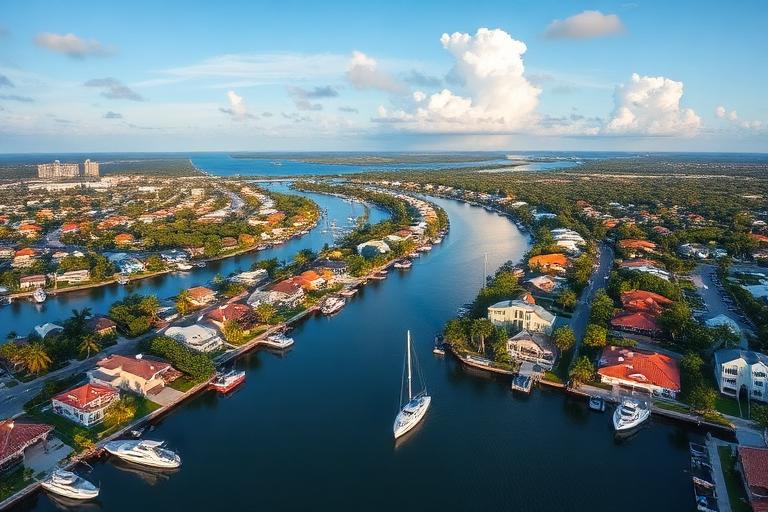
South Florida Real Estate — Market Overview
Javier G. Ramirez, a licensed Florida Real Estate Broker, represents buyers across the South Florida region. The region includes three counties — Miami-Dade, Broward, and Palm Beach — each with its own municipalities, property types, and price segments. Florida has no state personal income tax; how that affects an individual depends on their circumstances and should be reviewed with a tax professional. Market conditions differ by county, city, property type, and reporting period, so review current data for the specific area you are considering rather than regional generalizations.
Property in South Florida ranges from condominiums in urban and suburban areas to single-family homes and waterfront estates. Buyers and sellers should compare like properties within the same municipality and property type, review recent comparable sales, and account for insurance, taxes, association charges, and condition. The Miami real estate market framework explains how to read dated indicators.
Historical market data does not predict future prices, rental income, or liquidity. Whether you are searching for a primary residence, a second home, or an income property, work with a licensed professional who documents the current data and property-specific considerations relevant to your decision.
Real Estate Agents in Florida — How to Compare
Real estate licensees in Florida must hold an active license issued through the Florida Department of Business and Professional Regulation. Beyond licensure, useful comparison points include relevant recent experience in your target area and property type, how the licensee documents research and communicates, and the terms of the written representation agreement.
When evaluating a licensee, ask for recent transactions in the specific area rather than overall production figures. Experience in the same neighborhood, building type, and price segment is more relevant to your decision than statewide volume.
Professional designations such as CRS, GRI, or CLHMS indicate completed coursework in a specialty. Some licensees work within teams that include transaction coordinators and marketing staff; confirm who will actually perform each part of the service described in the agreement.
Real Estate Companies in Florida — Comparing Local and National Firms
Real estate companies in Florida range from independently owned firms to franchise offices of national brands. Compare them on the experience of the individual licensee, the services and marketing stated in writing, communication practices, and agreement terms.
Locally owned firms may offer neighborhood familiarity and direct decision-making; national brands may offer referral networks and brand recognition. Neither structure determines the quality of representation you will receive from a specific licensee.
When comparing companies, ask what marketing and services are included, how listings are presented, which technology platforms are used, and how conflicts of interest are disclosed and handled.
Real Estate Brokers in Florida — Brokerages and Licensing
Real estate brokers in Florida hold a broker license that permits them to operate independently and supervise sales associates, with corresponding regulatory responsibilities. Broker experience varies; ask about transaction history relevant to your property type, including luxury, commercial, or international transactions where applicable.
Brokerages provide the supervisory and compliance structure under which associates operate. Ask how the brokerage handles escrow, disclosures, compliance oversight, and client communications.
When choosing between brokers, consider the individual's relevant experience, the brokerage's stated processes, and how they coordinate with your attorney, lender, and other advisers. Broker Associate and Managing Broker designations indicate license status and supervisory role, not transaction outcomes.
Realtors in South Florida — Regional Specialists
Licensees who work across the tri-county region combine regional familiarity with neighborhood-level knowledge. For Miami-specific neighborhood context, see the Miami neighborhoods guide. A regional perspective can help match clients with areas based on lifestyle, commute, school assignments verified through official sources, and intended use.
Many South Florida licensees speak more than one language, reflecting the region's international population. Some hold certifications for working with international buyers or luxury property; confirm what each certification covers.
Whether you are buying a first condominium or an additional property, choose representation based on documented relevant experience, communication, and clear agreement terms. For waterfront-specific considerations, see the Miami waterfront homes guide.

Florida Real Estate — Ownership Considerations
Owning property in Florida involves considerations that differ from many other states: wind and flood insurance availability and cost, flood zone designation, hurricane preparedness, condominium association reserves and assessments, property tax reassessment after purchase, and homestead exemption eligibility for qualifying primary residents. Review each item for the specific property before purchasing.
Property types range from oceanfront condominiums to suburban family homes, agricultural parcels, and commercial buildings. Short-term rental eligibility is governed by municipal ordinances and association documents, which vary and change over time; verify the current rules for a specific property in writing before relying on rental income.
- South Florida real estate spans Miami-Dade, Broward, and Palm Beach counties
- Florida has no state personal income tax; review your individual tax situation with a professional
- Licensees in Florida specialize by region and property type
- Compare real estate companies by the specific licensee's relevant experience, not brand name alone
- Brokerages provide supervisory and compliance structure for associates
- Many South Florida licensees speak multiple languages
- Property ranges from condominiums to single-family homes and estates
- Review insurance, flood zone, association, and tax considerations for each specific property
Frequently Asked Questions
What areas are included in south florida real estate?
South Florida real estate generally refers to the tri-county region of Miami-Dade, Broward, and Palm Beach counties. This includes cities such as Miami, Fort Lauderdale, West Palm Beach, Boca Raton, Hollywood, and many smaller municipalities. Licensees often concentrate on one or two counties while maintaining familiarity with the broader region. Market conditions differ by county, city, property type, and time period.
How do I find the best real estate agents in florida?
This guide does not rank agents. Verify the licensee's status and any disciplinary history with the Florida Department of Business and Professional Regulation, ask for relevant recent experience in your target area and property type, review how they communicate and document their process, and read the written agreement, including compensation and termination terms, before signing.
Are real estate companies in florida different from national firms?
Florida real estate companies range from independently owned local firms to franchise offices of national brands. Compare them on the experience of the specific licensee you will work with, the services and marketing described in writing, communication practices, and agreement terms rather than on brand recognition alone.
What makes south florida realtors unique compared to other states?
South Florida transactions frequently involve international buyers and sellers, condominium association documents, wind and flood insurance, flood zone designations, and multilingual communication. Licensees working here should be able to coordinate with attorneys, lenders, insurers, and tax professionals on these issues. Legal and tax questions, including FIRPTA, should be directed to qualified professionals.
What are the top real estate brokerages in florida for luxury properties?
This guide does not rank brokerages. When evaluating a brokerage for a luxury transaction, ask about the specific licensee's recent relevant experience, the marketing plan and services stated in the agreement, how confidentiality is handled, and how the brokerage coordinates with your legal and financial advisers.